
Hudson Thibeault
Blog entry by Hudson Thibeault
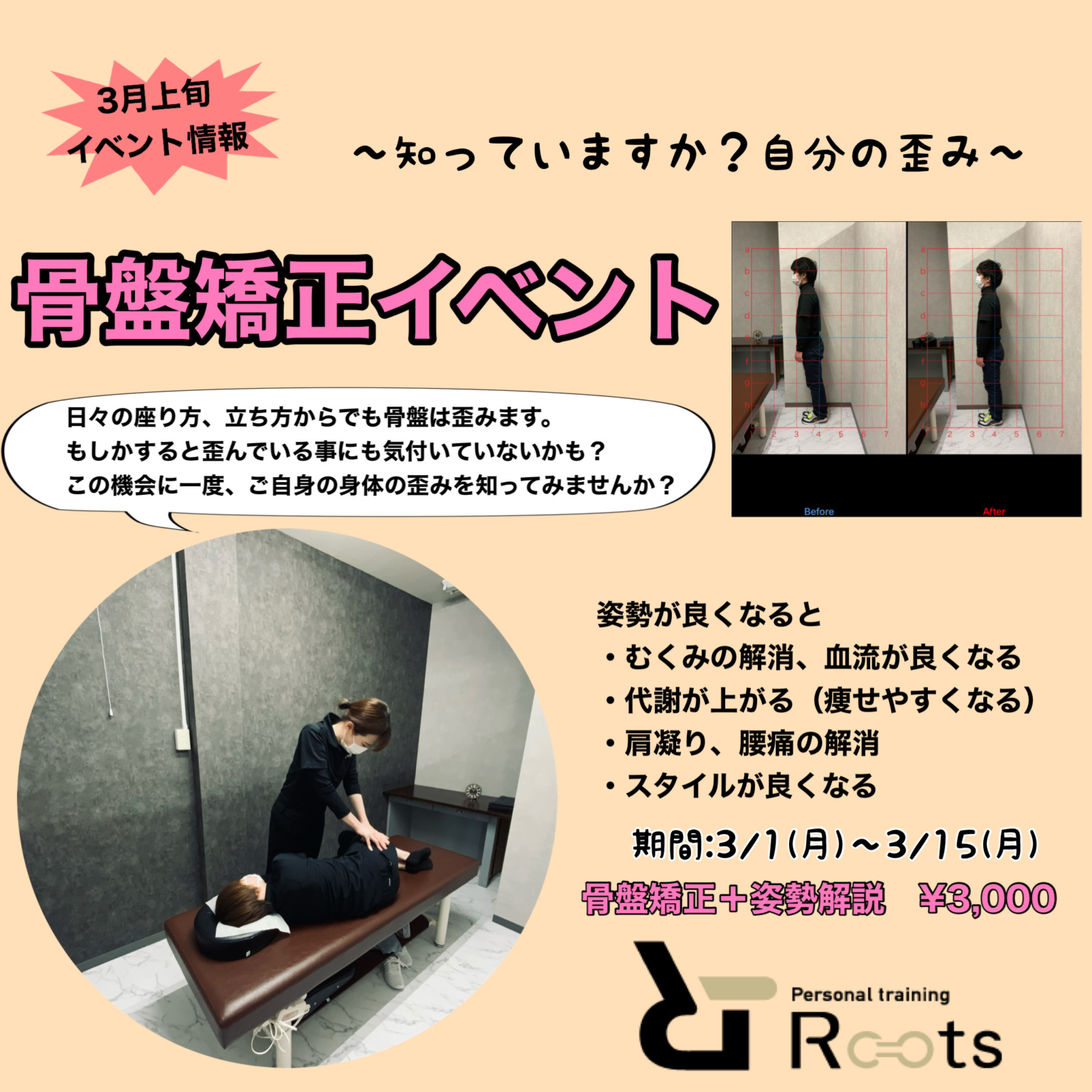
Posture issues affect millions of people worldwide, causing discomfort, reduced mobility, and long-term health complications. Before AI, correcting posture meant navigating a system that was slow, expensive, and often out of reach.
Artificial intelligence is transforming this landscape by offering accessible, precise, and non-invasive solutions. AI-driven platforms detect misalignments using visual data collected from standard household hardware .
Users receive real-time alerts that empower them to correct habits before pain sets in .
As remote work becomes the norm, maintaining proper posture has never been more critical—and AI makes it manageable without disrupting daily life. AI steps in silently, offering corrections without interrupting workflows .
Unlike human observers who may overlook minor misalignments, AI processes thousands of data points in real time. Unlike fatigue-prone humans, AI never loses focus or misses a detail.
Machine learning algorithms compare these metrics against ergonomic standards, delivering tailored feedback based on individual anatomy .
AI avoids assumptions, relying solely on quantifiable data .
In office environments where prolonged sitting is common, such precision helps prevent strain-related injuries before they become chronic. Sedentary jobs have become the norm, increasing the risk of upper back and neck pain .
Real-time feedback is where AI truly excels. You’re notified the moment your head leans forward or your wrists angle incorrectly .
These timely nudges encourage immediate adjustments, preventing discomfort from taking hold .
What begins as a digital reminder becomes an ingrained, automatic behavior.
It works during Zoom meetings, gym sessions, and late-night reading .
The system learns your daily rhythm and personalizes its support dynamically.
Accessibility is another major advantage. Specialized tools like motion-capture labs or force plates are out of reach for most households .
AI-powered apps, however, run on smartphones or basic sensors, making them affordable and 米子 肩こり widely available .
Elderly users receive gentle reminders to avoid hunching while watching TV .
This democratization of posture care empowers individuals to take proactive control of their health, regardless of location or budget .
Tiny asymmetries in rib alignment or pelvic tilt are caught early .
Mild kyphosis responds to posture cues and targeted strengthening .
The ROI isn’t just physical—it’s financial and emotional.
Ergonomists integrate AI feedback into workplace redesigns .
No more forgetting your last correction .
As technology evolves, AI’s role in posture assessment will only grow more impactful. AI will integrate with smart furniture, wearables, and even clothing .
Healthy alignment becomes as automatic as brushing your teeth .
And it does so for every person, regardless of who they are or where they live